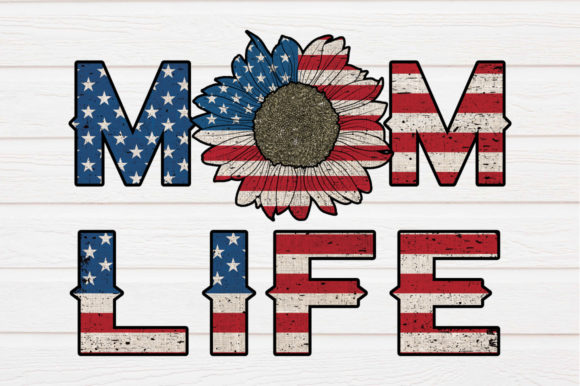
Mom Life Camo Sublimation Review
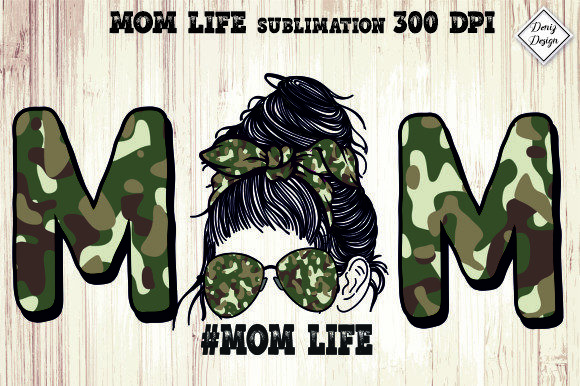
As a designer who spends half my day staring at stitch counts and the other half worrying about thread tension, I don’t just buy embroidery files; I interrogate them. I need to know if they will hold up in a commercial setting or if they will unravel the moment a customer washes their new tote bag. Today, I am evaluating Mom Life Camouflage Sublimation, a design that promises a blend of rugged aesthetics and maternal sentiment. The product description highlights a transparent background PNG file with 300 dpi resolution, noting that it can be resized to suit your needs. It also explicitly states that SVG files cannot be created due to parsing issues and shadow artifacts.
This review is for the embroidery designers, small business owners, crafters, Etsy sellers, handmade shop owners, apparel decorators, digital product sellers, creative entrepreneurs, hobbyists, and makers who want practical design insight before using or selling a finished project. We are looking at this from the perspective of real-world application, not just theoretical beauty.
First Impressions and Visual Personality
The moment you load Mom Life Camouflage Sublimation into your digitizing software, the mood is set. It is not delicate. It does not whisper; it declares. The camouflage pattern provides a textured, busy backdrop that immediately suggests durability and outdoor activity, while the "Mom Life" text anchors it in the domestic sphere. This juxtaposition creates a visual personality that is both tough and tender. It feels like a design that belongs on a heavy cotton canvas or a thick fleece sweatshirt rather than a sheer baby onesie.
The transparency of the PNG file is a significant advantage here. When working with sublimation or complex backgrounds, having a clean cutout allows you to place the design over various fabric textures without fighting against an unwanted white box. However, the lack of an SVG file means we are locked into raster-based manipulation until we trace it back into vector paths for stitching. This requires careful attention during the tracing phase to ensure the edges remain crisp, especially given the warning about shadow artifacts in original SVG attempts.
Real-World Application: The Custom Tote Scenario
Let’s imagine a real-life scenario. You are preparing inventory for an upcoming craft fair or restocking your Etsy shop. You have a batch of durable, olive-drab canvas tote bags destined for military spouses or outdoor enthusiasts who are also mothers. This is where Mom Life Camouflage Sublimation shines. The earthy tones of the camo blend seamlessly with the natural or dyed fabrics of these bags, creating a cohesive look that feels intentional and professional.
When you stitch this onto a tote bag, the design acts as a central focal point. Because it is a tote bag design, the size can be adjusted significantly. You might choose to enlarge it to cover the entire front panel, turning the bag itself into a statement piece. Alternatively, you could scale it down for a smaller, more subtle placement near the handle attachment points. The 300 dpi resolution ensures that even when enlarged, the image retains enough clarity to be traced accurately into a machine embroidery design. The resulting embroidered patch effect adds a tactile dimension that print alone cannot achieve, increasing the perceived value of the handmade product.
Consider the customer reaction. A buyer picking up this bag sees a recognition of their dual identity. They are strong, capable, and ready for adventure, but they are also a mom. This emotional connection drives engagement. It transforms a simple accessory into a personalized gift that resonates deeply. For the Etsy seller, this translates to higher conversion rates and better reviews because the product feels tailored to a specific lifestyle niche.
Technical Performance and Stitching Considerations
While the concept is strong, the execution depends entirely on how you translate this graphic into a stitchable format. Since we are dealing with a digital embroidery file derived from a PNG, you must be meticulous about stitch types. The camouflage pattern consists of irregular shapes that should ideally be filled with a fill stitch to create density and coverage. If the fill stitch is too sparse, the fabric texture will show through, ruining the intended aesthetic. Conversely, if it is too dense, the fabric may pucker, especially on lighter materials.
The text element requires a different approach. Depending on the font style used in the original graphic, you might opt for a satin stitch outline or a dense fill for the letters. Ensure that the stitch density of the text matches the surrounding camo blocks. Mismatched densities can cause uneven pulling and distortion. Also, pay close attention to the corners of the design. Complex geometric patterns in camo can create sharp angles that are difficult to stabilize. Using a proper stabilizer is non-negotiable here. A tear-away stabilizer might leave residue, while a cut-away stabilizer provides the necessary support for long-term wearability.
Thread color selection is critical. The transparency of the source file means you have freedom, but you must choose threads that contrast well with your base fabric. On dark fabrics, light thread colors will pop, but on light fabrics, you may need darker threads to define the shapes. Test your thread colors on scrap fabric first. Check the contrast by viewing your mockup in black and white; if the shapes merge together, you need to adjust your palette.
Where to Use Carefully
Not every surface is suitable for this design. Avoid placing Mom Life Camouflage Sublimation on thin, stretchy fabrics like jersey knits unless you use a heavy-duty stabilizer. The weight of the embroidery could distort the garment. Similarly, be cautious with curved surfaces like caps or hats. While possible, the rigidity of the camo pattern might not follow the curve naturally, leading to gaps or overlaps. Small hoop sizes are also risky; if the design details are fine, shrinking the hoop size might force you to simplify the stitches, losing the intricate feel of the camo.
Furthermore, consider the washing frequency. If this is for a kitchen towel or a high-use item, ensure the stitches are secure. Frequent washing can loosen threads, so a tight stitch count is essential. For holiday embroidery projects, such as Christmas stockings or gifts, this design offers a unique alternative to traditional red and green themes, appealing to buyers looking for something different.
Impact on Brand and Product Value
Incorporating Mom Life Camouflage Sublimation into your craft business elevates your brand consistency. It signals that you understand niche markets and can produce high-quality, thematic designs. Customers trust brands that deliver on specific promises. If you market yourself as a provider of rugged, maternal-themed goods, this design reinforces that identity.
The professionalism of the finished product is directly linked to the quality of the digitization. A poorly stitched camo pattern looks cheap; a well-executed one looks artisanal. By taking the time to optimize the machine embroidery design, you justify a higher price point. Buyers are willing to pay more for items that look professionally made, especially when they serve as commercial embroidery assets for their own businesses or as premium gifts.
Practical Designer Notes for Success
- Test on Scrap Fabric: Always run a test stitch-out before committing to the final product. This helps you identify any threading issues or tension problems.
- Check Licensing: Confirm whether the design allows for commercial use. Selling finished items requires clear rights, unlike personal use.
- Inspect Small Details: Zoom in on the digital file. Are there tiny elements that might get lost in the stitching? Simplify if necessary.
- Use Proper Stabilizer: Match the stabilizer to the fabric weight. Heavy fabrics need heavy stabilizers.
- Compare Backgrounds: Test the design on both light and dark fabrics to ensure versatility in your design assets.
In conclusion, Mom Life Camouflage Sublimation is a versatile and emotionally resonant choice for designers targeting the maternal and outdoor niches. Its strength lies in its bold visual appeal and adaptability across various embroidery projects. By paying attention to technical details like stitch density, stabilizer choice, and thread contrast, you can transform this digital graphic into a standout finished product that customers will love. Whether you are creating custom apparel, apron embroidery, or pillow covers, this design offers a reliable foundation for building a successful small shop product line. Just remember to verify all technical specifications and licensing terms before production begins.