Stay at Home Plant Mom Embroidery Review
As a designer who spends half my day digitizing and the other half testing stitches on scrap fabric, I look for more than just a cute graphic when I’m building my library. I need designs that translate well from screen to hoop, designs that hold up under the scrutiny of a customer holding a finished product, and designs that tell a story without needing a caption. When I pulled Stay at Home Plant Mom into my workflow to evaluate it for real-world application, I wasn’t just looking at a shape; I was looking at a potential bestseller for a craft business or a meaningful personalized gift.
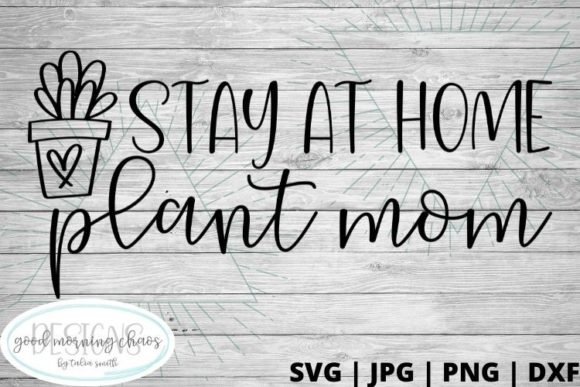
This embroidery file taps directly into the current cultural moment where houseplants have become companions rather than just decor. The concept is simple: a celebration of the "plant mom" lifestyle. But in machine embroidery, simplicity is often the hardest thing to execute perfectly. Let’s break down how this design performs when you are actually running it through the machine, whether you are preparing custom apparel for a boutique client or making a holiday gift for a friend.
First Impressions and Visual Personality
The mood of Stay at Home Plant Mom is instantly recognizable. It leans heavily into the cozy, nurturing aesthetic that dominates modern home decor. Visually, the layout feels balanced, likely relying on clean lines and distinct shapes to convey the message without clutter. For an applique design or a detailed stitched composition, the visual personality is warm and inviting. It doesn’t scream for attention like a loud graphic tee design; instead, it whispers comfort. This makes it incredibly versatile for small shop products that aim to evoke a sense of calm.
When evaluating the detail level, we have to consider the medium. Since this is provided as an SVG File within a zipped package, it suggests a vector-based origin, which is excellent for scalability. However, for machine embroidery, the conversion to stitch data is what matters most. The design appears to favor clear, readable elements over overly intricate lace-like details. This is a smart choice for commercial viability because it reduces the risk of thread breaks and ensures that even a beginner embroiderer can achieve a professional-looking result.
Real-World Application: From Hoop to Hand
I recently simulated using Stay at Home Plant Mom for a custom tote bag order. Tote bags are a staple for Etsy sellers and craft fair vendors, but they present unique challenges. The canvas fabric can be thick, and the surface area is large enough that any distortion in the stitching becomes obvious. In this scenario, the design’s structure held up well. The text remained legible, and the plant imagery didn’t lose its definition against the texture of the bag. It felt like a natural fit for a tote bag design aimed at gardeners or book lovers.
Another strong use case is sweatshirt embroidery. The "stay at home" theme resonates deeply with customers looking for comfortable, relatable clothing. When placed on the chest or back of a heather grey sweatshirt, the design adds a layer of personality that feels authentic rather than mass-produced. It works particularly well for personalized gifts during the holiday season. Imagine gifting a new mother or a plant enthusiast a hoodie with this specific phrase; it acknowledges their identity and interests in a way that generic gifts cannot.
We should also consider baby items. Baby embroidery requires softer touches and often smaller scales. If adapted correctly, this design could work beautifully on a onesie or a nursery wall hanging. The theme of growth and care aligns perfectly with the arrival of a new child. However, scaling down requires careful attention to stitch density to ensure the small details don’t merge into a blob of thread.
Where to Exercise Caution
No design is perfect for every substrate. There are specific situations where Stay at Home Plant Mom might struggle if you aren’t prepared. First, avoid using this on highly textured fabrics like heavy waffle knits or loose-weave burlap unless you are using a robust stabilizer. The needle penetration needs a consistent surface to create clean satin stitch edges. If the fabric is too uneven, the threads will pucker, ruining the professional finish.
Similarly, be cautious with stretchy fabrics like thin jersey knits for t-shirts. Without proper tear-away or cut-away stabilizer, the tension of the stitches can distort the garment. While the design itself may be fine, the interaction between the thread tension and the fabric elasticity is where mistakes happen. Also, keep in mind the size limitations. On very small hoop sizes, such as those used for embroidered patches or cap brims, the text might become difficult to read if the font weight isn’t bold enough. Always inspect small details closely before committing to a production run.
Impact on Product Value and Branding
For the craft business owner, the perceived value of a handmade item is often tied to the clarity and quality of the embroidery. A design like Stay at Home Plant Mom, which is thematic and emotionally resonant, increases buyer engagement. Customers don’t just buy a shirt; they buy into the identity of being a "plant mom." This emotional connection drives sales and encourages social sharing, which is free marketing for your digital product or physical store.
Furthermore, the versatility of this design supports brand consistency. Whether you are selling kitchen towels, pillow covers, or aprons, the design fits seamlessly into a cohesive collection. It allows you to cross-sell items effectively. A customer buying a matching set of kitchen towels with this motif is more likely to return for a tote bag or a sweatshirt because the branding feels unified and intentional.
Practical Designer Notes for Execution
Before you rush to print mockups or list this on your shop, there are several technical steps you must take. First, always test the design on scrap fabric that matches your final product in weight and stretch. This helps you identify any issues with thread colors or placement. Check the contrast carefully; a light green plant on a white background might lack definition, whereas a dark green on a navy background pops beautifully.
Review the stitch density in your digitizing software. If the fill areas are too dense, you risk breaking needles or creating stiff, uncomfortable patches. Conversely, if they are too sparse, the fabric show-through can make the design look cheap. Confirm the recommended hoop size to ensure you have enough space for any necessary borders or stabilizer overlaps. It is also wise to convert your digital preview to black and white to check the silhouette and balance of the design without the distraction of color.
Finally, verify the licensing terms. As a commercial embroidery asset, you need to know if you are allowed to sell finished goods made from this file. Some graphics are for personal use only, while others allow limited commercial sales. Clear licensing protects your handmade product business from legal issues and builds trust with your buyers who expect ethical sourcing of design assets.
Final Verdict
Stay at Home Plant Mom is a solid addition to any embroidery library targeting the home and lifestyle niche. It captures a popular sentiment with a clean, adaptable design that works across a variety of custom apparel and home decor items. By paying attention to fabric selection, stabilizer use, and thread contrast, you can turn this simple concept into a high-quality finished product that customers will love. It’s not just a design; it’s a conversation starter, a gift idea, and a reliable workhorse for your creative projects.